
 Facebook
 X
X
 Pinterest
 Copy Link
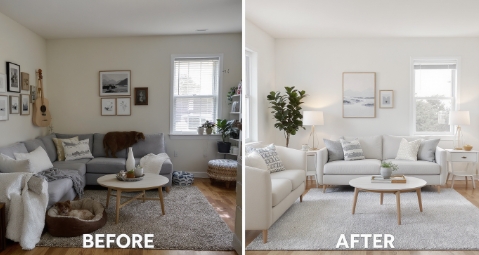
Are you thinking of staging your home and curious if it helps sell your home faster and at a higher price? When it comes to selling your home, first impressions matter more than ever. In today’s competitive real estate market, buyers are scrolling through listings online before they ever step foot inside a property. That means your home needs to stand out immediately — and that’s where home staging can make a huge difference.
Whether you’re selling a starter home, luxury property, or investment home, staging can help buyers emotionally connect to the space and envision themselves living there. But is staging always worth it? Let’s break down the pros and cons of staging your home before putting it on the market.
What Is Home Staging?
Home staging is the process of preparing and decorating a home to appeal to the widest range of buyers possible. This can include rearranging furniture, decluttering, adding neutral décor, improving lighting, and sometimes bringing in rented furniture and accessories to make the home feel more inviting and move-in ready.
The goal of staging is simple: help your home sell faster and potentially for more money.
The Pros of Staging Your Home
1. Staged Homes Make Better First Impressions
Buyers often decide how they feel about a home within seconds of walking through the front door. A staged home feels clean, organized, bright, and well cared for. It creates an emotional connection that can lead to stronger offers.
In today’s digital world, staging also helps your home look better in listing photos, which is critical for attracting buyers online.
2. Staging Can Help Your Home Sell Faster
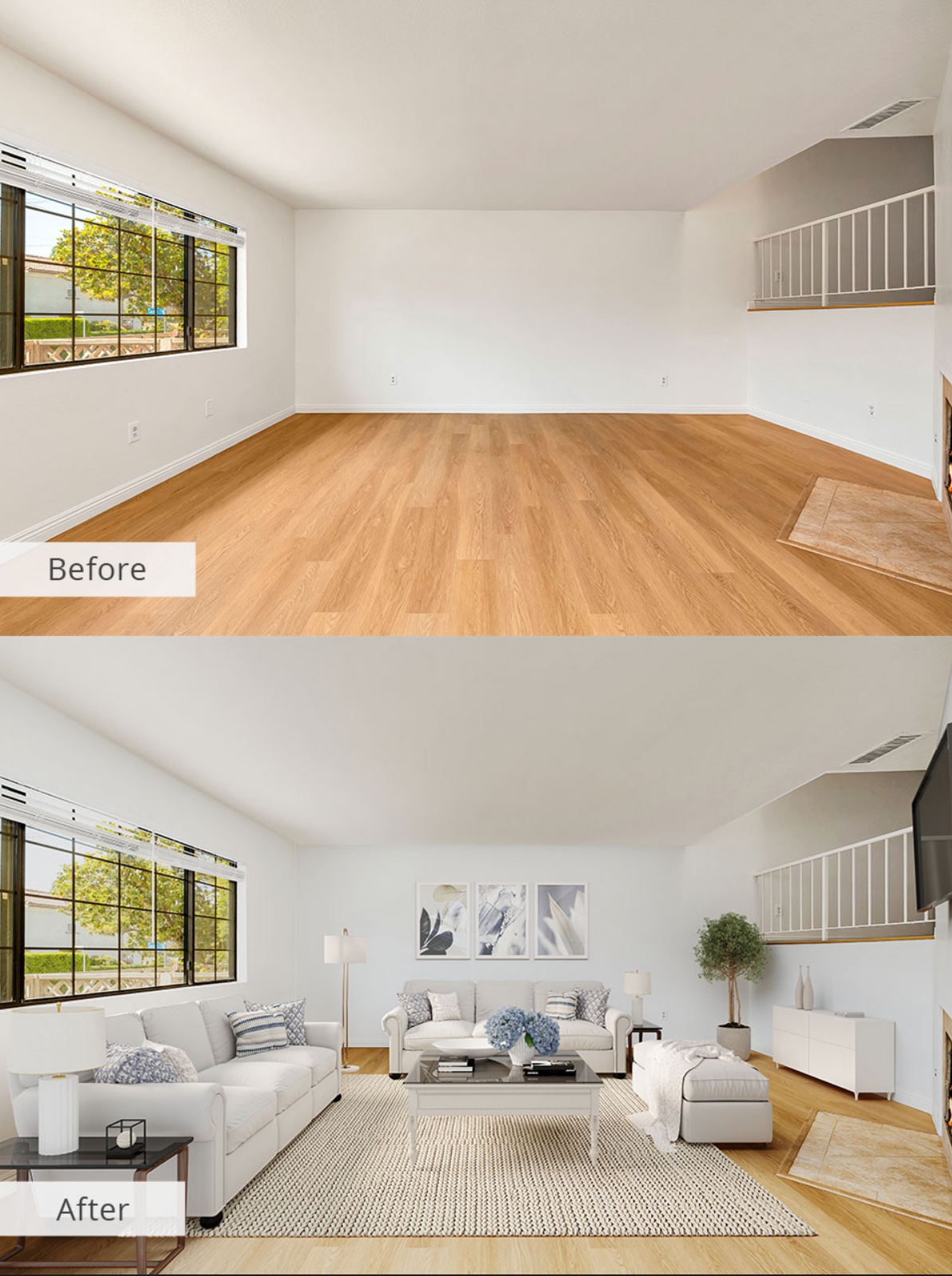
One of the biggest benefits of home staging is that it can help generate more interest and encourage buyers to connect with the home more quickly. In a market where buyers are taking more time to make decisions, staging can help your home feel more memorable and appealing compared to other listings buyers may be viewing.
3. Buyers Can Better Visualize the Space
Empty rooms can feel cold and confusing, while overly personalized homes can distract buyers. Staging helps define spaces clearly and shows buyers how each room can function.
For example:
- A spare bedroom becomes a functional office
- An awkward corner becomes a cozy reading nook
- A small living room suddenly feels larger and more open
This helps buyers picture themselves living in the home instead of focusing on the seller’s personal style.
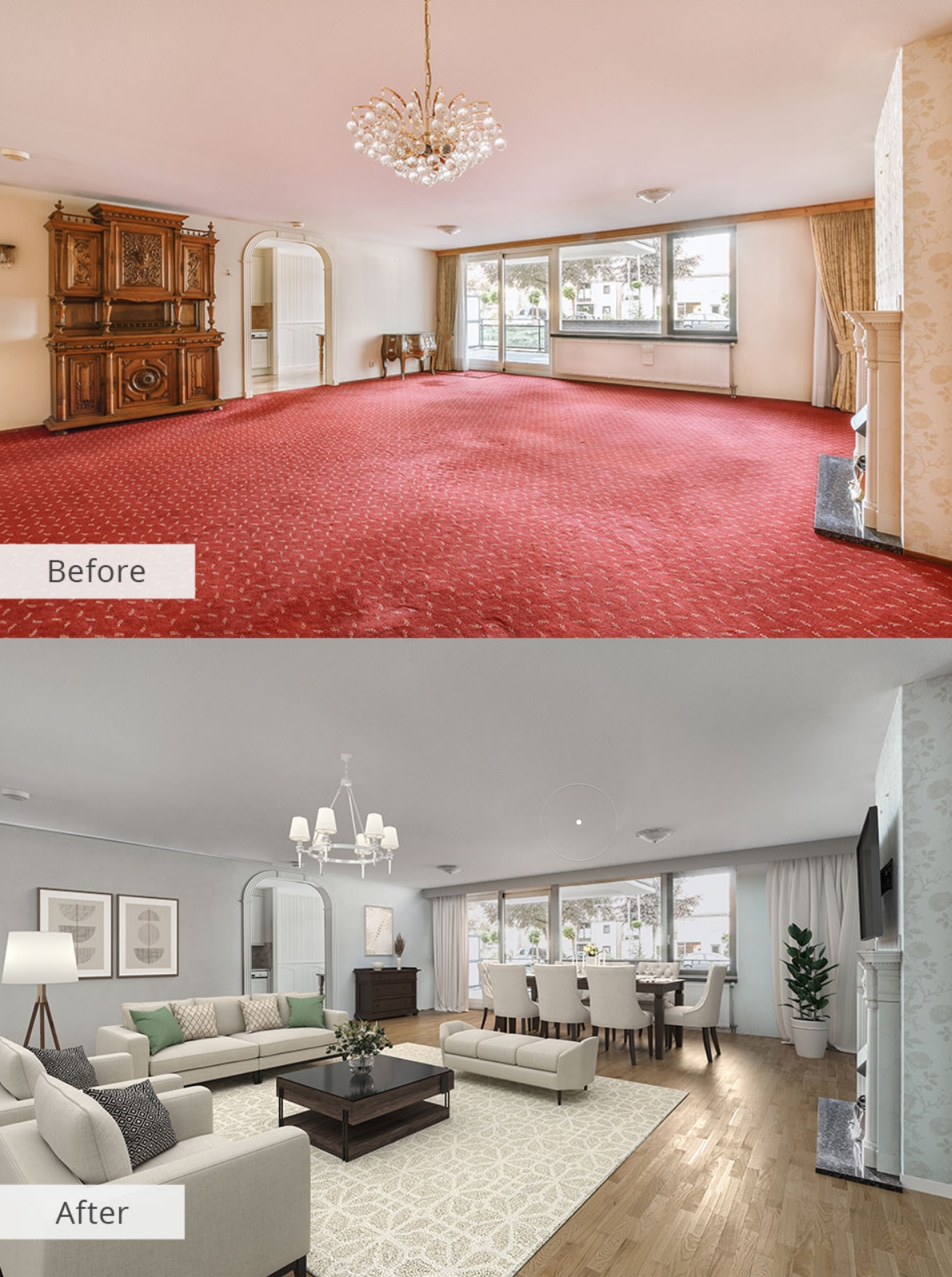
Sometimes buyers just need help seeing the vision.
This room may have needed updating, but with virtual renovation and staging, buyers can better picture the space’s true potential. Virtual staging is a powerful marketing tool that helps bring possibilities to life – without the seller having to complete costly renovations before listing.
4. Staging Can Increase Perceived Value
A move-in-ready home typically feels more valuable to buyers. Even simple staging updates — fresh pillows, neutral décor, clean countertops, and proper furniture placement – can make a home feel more polished and higher-end.
This perceived value can sometimes lead to stronger offers and even bidding wars.
5. Staging Highlights Your Home’s Best Features
Professional staging draws attention to what makes your home special:
- Natural light
- Open floor plans
- Fireplace features
- Large kitchens
- Outdoor living spaces
- High ceilings
At the same time, it can help minimize less desirable features by improving layout and flow.
The Cons of Staging Your Home
1. Staging Costs Money
One downside of staging is the upfront investment. Depending on the size of the home and the level of staging needed, costs can range from a few hundred dollars for consultations to several thousand dollars for full-service staging.
However, many sellers find the investment worthwhile if it helps the home sell faster or for a higher price.
2. It Can Be Inconvenient
Living in a staged home can feel difficult at times — especially for families with kids or pets. Sellers may need to:
- Keep the home extremely clean
- Remove personal items
- Limit clutter
- Rearrange furniture
- Maintain the staged look for showings
While temporary, it does require extra effort during the selling process.
3. Not Every Home Needs Full Staging
Some homes may only need light decluttering and minor updates rather than full professional staging. In a very strong seller’s market, certain homes may sell quickly regardless.
That’s why it’s important to work with a knowledgeable real estate agent who can help determine what level of staging makes the most sense for your specific home and market.
Different Types of Home Staging
Not all staging looks the same, and the right approach depends on your home, budget, timeline, and local real estate market. The good news is that sellers have several staging options available — from full professional staging to simple DIY updates.
Professional Home Staging
Professional home staging involves hiring a staging company or home stager to prepare your home for the market. This can include:
- Rearranging existing furniture
- Bringing in rented furniture and décor
- Styling each room
- Creating a cohesive, modern look
- Highlighting your home’s best features
Professional staging is especially helpful for vacant homes, luxury homes, or properties that need help defining spaces and improving flow.
Pros of Professional Staging:
- Creates a polished, high-end look
- Helps homes photograph beautifully online
- Can make spaces feel larger and brighter
- Removes guesswork for sellers
Cons of Professional Staging:
- Higher upfront cost
- May require furniture rentals
- Can feel inconvenient while living in the home
Virtual Staging
Virtual staging uses technology to digitally furnish or redesign listing photos. This option allows sellers to show buyers what a space could look like without physically staging the home.
Virtual staging can:
- Add furniture to empty rooms
- Modernize outdated spaces digitally
- Show renovation possibilities
- Help buyers visualize a room’s potential
This has become an increasingly popular and affordable option in today’s market, especially for vacant homes or homes needing cosmetic updates.
Pros of Virtual Staging:
- More affordable than physical staging
- Great for online marketing and listing photos
- Helps buyers visualize possibilities
- Quick turnaround time
Cons of Virtual Staging:
- Buyers still see the home empty in person
- Photos must accurately represent the space
- Over-editing can create unrealistic expectations
DIY Home Staging
DIY staging is when homeowners prepare the home themselves using existing furniture, décor, and simple updates. This can still make a huge impact when done correctly.
DIY staging often includes:
- Decluttering and deep cleaning
- Rearranging furniture
- Adding neutral décor
- Improving lighting
- Enhancing curb appeal
For many sellers, DIY staging is a great middle-ground option that improves presentation without the cost of professional staging.
Pros of DIY Staging:
- Budget-friendly
- Easy to personalize for your home
- Can still dramatically improve presentation
Cons of DIY Staging:
- Requires time and effort
- Sellers may overlook problem areas
- Can be harder to stage objectively when emotionally attached to the home
Which Type of Staging Is Best?
The best staging strategy depends on your goals, budget, and the condition of your home. Some homes benefit from full professional staging, while others only need light decluttering or virtual staging for listing photos.
A knowledgeable real estate agent can help you determine which staging approach will give you the best return on investment and help your home stand out in today’s market.
Why Sellers Choose to Stage Their Homes
At the end of the day, staging is about marketing. Selling a home is not just about square footage and price — it’s about creating an experience for buyers.
Sellers often choose to stage because they want to:
- Sell their home faster
- Maximize their home value
- Stand out from competing listings
- Create better online photos
- Attract more buyers
- Receive stronger offers
Even small changes can make a major impact.
Simple Staging Tips Before Listing Your Home
If you’re preparing to sell, here are a few easy home staging tips that can instantly improve your space:
- Declutter countertops and shelves
- Remove personal photos
- Deep clean every room
- Add fresh towels and bedding
- Open blinds for natural light
- Use neutral colors and décor
- Rearrange furniture to improve flow
- Add fresh plants or flowers
- Improve curb appeal with simple landscaping
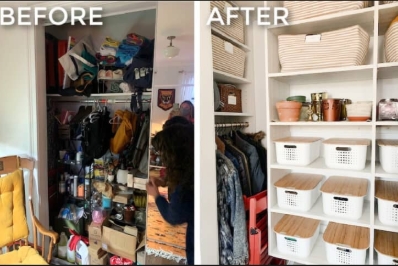
You do not always need expensive furniture or a full redesign to make your home feel market-ready.
Final Thoughts
Staging your home can be one of the most effective ways to make a strong first impression, attract more buyers, and potentially increase your sale price. While there are costs and inconveniences involved, many sellers find that the benefits outweigh the drawbacks.
Every home and market is different, which is why having the right real estate strategy matters. If you’re located in the Whatcom County area, thinking about selling your home and wondering whether staging is worth it, let’s connect and decide what improvements will give you the biggest return.
